Wednesday, December 13, 2006

Sex Therapy

Sex Therapy involves the therapeutic treatment of sexual disorders such asimpotence, premature ejaculation, retarded ejaculation, hypoactive sexual desire, painful coitus, and orgasmic disorders. These problems, while not subjects of polite conversation until relatively recently, have been found to be extremely common, and further, to be sources of considerable emotional distress and interpersonal conflict in relationships. Masters and Johnson, pioneers in the sex therapy field, have stated that at one time or another half of all marriages have significant sexual problems. Other studies have suggested that at some point in their lives 10 percent of women are an orgasmic, 7 percent of men are impotent, and 18 percent of men suffer from premature or retarded ejaculation. Inhibited sexual desire, a condition characterized by loss of interest in sex, is thought to trouble one in five adult women during their lives. Additionally, surveys of married couples find that over half complain of encountering interference's that block their full enjoyment of sex.

While universally emphasizing correcting sexual misinformation, the importance of improved partner communication and honesty, anxiety reduction (including fear of performance failure), sensual experience and pleasure, and interpersonal tolerance and acceptance, sex therapy includes three different levels of intervention to address the various sexual problems mentioned above, depending on the nature and causes of the problem involved.

Sex therapists believe that many sexual disorders are rooted in learned patterns and values. These are termed psychogenic disorders. As they are growing up, children observe interaction between their parents and others and are the objects of various messages about their sexuality. Conflict or other problems, including sexual problems in marriages, can be transmitted
to children and result in the formation of unhealthy attitudes about sex, about sex organs, or about the body in general. Moreover, parents, religious institutions and societal norms may convey very repressive attitudes about sexuality that contribute to the formation of diverse sexual dysfunction's.

Problems of this nature are believed by sex therapists to constitute the majority of sexual disorders. An underlying assumption of sex therapy is that relatively short-term outpatient therapy can alleviate learned patterns restrict symptoms, and allow a greater satisfaction with sexual experiences In cases where significant sexual dysfunction is linked to a broader emotional problem such as depression or substance abuse, intensive psychotherapy and/or pharmaceutical intervention may be appropriate.

Substance-induced sexual dysfunction, for example, can involve loss of interest in sex, inability for the male to become erect, impaired orgasm, and pain during intercourse. Various medications also can produce symptoms of sexual dysfunction. Finally, there are a number of medical conditions that can cause sexual dysfunction, including various neurological problems
(e.G., multiple sclerosis), endocrine conditions (e.G., diabetes mellitus), vascular conditions, and several different infections. These are termed bio genic conditions.

In his book Human Sexual Response, Leif described five sexual response phases: desire, arousal, vasocongestion, orgasm, and satisfaction. Sexual dysfunction can occur in any of these areas. If the dysfunction is a chronic problem, such as a woman who has always experienced pain during intercourse, it is called primary dysfunction. If the dysfunction is situational, such as
a man who previously had no difficulty achieving erection but begins to experience this problem at the beginning of a new relationship, it is called secondary dysfunction. Primary or secondary dysfunction can occur in any of the five domains of sexual response. Dysfunctions associated with sexual desire include hypoactive sexual desire disorder and sexual aversion disorder. In the first of these, the individual has a persistent absence of sexual fantasies or desire for participation in sexual activity. In the second disorder, there is a complete or near complete aversion to contact with a partner's genitals. These conditions often reflect serious emotional
problems, although individuals may be responsive to intensive psychotherapy combined with sexual therapy.

Sexual arousal disorders are found in both males and females. Males may be interested in sex but suffer from impotence or erectile dysfunction, while females are unable to maintain the lubrication-vaginal swelling response of normal sexual excitement. In their book, Human Sexual Inadequacy, Masters and Johnson asserted that 90% of impotency cases were psychogenic in origin. Even in older men, they maintained, emotional issues rather than medical problems are the main causes of impotence. Masters and Johnson reported great success in treating impotence with short-term therapy, especially when it had its roots in fear of failure and performance anxiety. Since their work in the late 1960's, continued medical research and improved diagnostic techniques indicate that only 40% to 50% of male impotence is caused solely by psychogenic factors.

In males, orgasmic dysfunction includes both premature and retarded ejaculation (in which ejaculation may be completely absent despite stimulation and arousal). Retarded ejaculation may have psychogenic as well as organic causes, or may be a consequence of drug abuse or a side effect of a medication. Unlike retarded ejaculation, which is rare, premature ejaculation is fairly common. Therapy involves anxiety reduction and ejaculation control training. One approach to help with ejaculatory control is called the Valsalva Maneuver . Using this procedure, when a man senses he is about to ejaculate, he holds his breath and flexes his muscles as if he
is having a bowl movement. Performed correctly, this procedure enables the man to delay ejaculation and allows him to feel in more control of his body.

The Valsalva maneuver is best tried in the context of a therapy, which can also address the male or couple's anxieties about the experience. Inhibited female orgasm, a fairly common problem, is often caused by emotional or relationship problems. Sex therapy for this problem addresses underlying misinformation, psychological inhibitions, conflicting beliefs and values about women's right to sexual pleasure, and related issues. Partners counseling may be effective in addressing communication, control, and sensitivity issues, while couples sexual training can address sexual interaction issues. Couples may be provided with instruction on alternative
sexual arousal and satisfaction behaviors such as the Sensate Focus technique, given home assignments to practice the new strategies, and prompted to report outcomes to their therapist. Sometimes groups of couples with similar problems are brought together to provide support for open communication and behavioral change.

The organization of sex therapy varies. In some cases, a single therapist sees both partners. In heterosexual partnerships, a therapeutic team consisting of a male and a female therapist working together may be used. Alternately, some therapists emphasize self-treatment based on instruction, brief counseling, and the use of education aids like films and tapes. Sex therapy, like any other therapeutic process, should begin with a thorough history of the patient's problem(s). Due to the possibility of both biogenic and psychogenic factors in male impotence, a consultation with a urologist specializing in impotence is often recommended to identify and treat any biogenic factors before proceeding with psychotherapy.

Tuesday, December 12, 2006

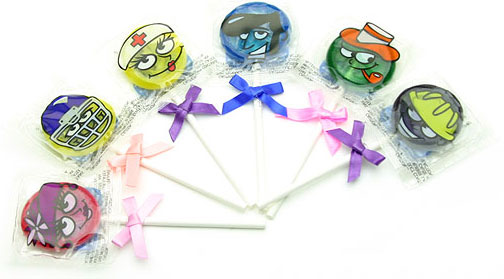
Candy Condoms

condom earring
condom in case
candy condom
condom lollipop
sweet condom
flavored condoms
condom packs like candy
preventing aids

Monday, December 11, 2006

How to Write an Professional English CV

Important Points When Writing an English CV

The purpose of an English CV is to sell yourself: An English CV is seen as an opportunity to sell yourself and should emphasise your skills, experiences and achievements. You should include successes and wherever possible include facts and figures to support your claims. Do NOT include information that is negative.

Spelling and Grammar Check: Correct spelling and grammar are of absolute importance in an English CV. Employers will NOT tolerate any mistakes. It is very important that a native English speaker checks your CV before you send it to an English-speaking employer.

CVwriting.net can provide a full spelling and grammar check and suggest any changes to the content of your CV in line with what employers expect.

Do not include a photo: Most English employers do NOT like to see a photo on the CV and, in fact, including one could work against you. Only include a photo if it has been specifically requested for a particular job application.

English Language skills: This is a very important aspect of your CV and your professional career. You must explain your knowledge of the English language under the 'Skills' heading. Describe your level of knowledge as one of the following:

  • Bilingual - You can speak English as well as your mother tongue
  • Fluent - You have a complete working knowledge of the English language, both written and speaking.
  • Working knowledge- you have a good practical knowledge of English for professional purposes.
  • Conversational - You can converse adequately in English with good comprehension.

English CV Format:

Your name, address, telephone number and email address should appear at the top of your English CV. Always use a capital letter at the beginning of a name including the name of a street, town or country. Do NOT put CV or Curriculum Vitae as a heading.

Your CV should be produced on a word processor, not hand written, and be available softcopy as a Word or PDF file. If you are printing your CV you should use good quality paper.

An employer will scan your CV in thirty seconds looking for keywords that are relevant to the vacancy he is trying to fill. Keep your CV short and concise so that your positive attributes stand out. Your CV should be no more than two pages long.

Do NOT use initials for company names or qualifications, as these could be meaningless to an English employer. Always write the words in full.

Headings:

1. Profile: This is an opportunity to summarise the skills and experience you have described elsewhere in your CV. It is the first part of the CV that the employer will read. It should be only one or two paragraphs long otherwise the reader may not go on to read the rest of your CV. You should also include your career aspirations.

2. Achievements: list any special achievements from your career history or education that may make you stand out from other candidates. List no more than six.

3. Career History: This is a very important part of your CV. The most common CV format is written in reverse-chronological order. Start with your most recent employment and work backwards. List the dates between which you worked for each employer; the name of the employer, your position and the location at which you worked. Write a short description of the company and then describe your responsibilities including facts and figures as much as possible.


4. Skills: In an English CV it is necessary to list particular technical, professional or other skills separate from your career history. An English employer will not necessarily be familiar with non-English professional qualifications therefore you must explain each one.

5. Education: You must enter your highest qualification first, then where achieved, and then dates. Make sure you explain any non-English qualifications or try and put the English equivalent, e.G. Baccalaureate, French equivalent to the Higher Leaving Certificate and A levels. Do not include grades unless they are particularly impressive.

6. Personal details: It is not necessary to include all of your personal details on an English CV as your skills and experience are of paramount importance. However, you need to include your nationality and it is normal to include your Date of Birth such as: 11th November 1967. Do not put your age.

7. Interests: You do not have to include your interests on an English CV but they will help to give the employer a rounded picture of you as an individual.

Sunday, December 10, 2006

Aspartame - The Silent Killer

For those who take Ricola & Fisherman , please note that they both contain Aspartame - the silent killer.


This website shows the adverse effects of ASPARTAME: nexusmagazine

Fisherman Sweets
FOR THOSE WHO LIKE TO EAT FISHERMAN SWEETS BE CAREFUL: Sugar free products contain ASPARTAME .. So don't consume Sugar free product ESP. 'fisherman sweets' ASPARTAME - THE SILENT KILLER (by Ron Harder)

To those who prefer to consume artificial flavouring:

There is an epidemic across North America today of Multiple Sclerosis and Lupus. Most people do not understand why this epidemic is happening, and they do not know why these diseases are so rampant. I would like to share with you the main reason we are having this very serious problem. Many people today use artificial sweeteners in their tea or coffee.

They do this because the ads they see on TV tell them that sugar is bad for their health. This is absolutely true. Sugar is toxic to us , but what most people use as a replacement for sugar is much more deadly. I am talking about ASPARTAME. It is the cause of the epidemic that was mentioned above. ASPARTAME is an extremely toxic chemical that is produced by a chemical company called Monsanto.

ASPARTAME is being marketed around the world as a sugar substitute and is found in all diet soft drinks, such as Diet Coke and Diet Pepsi. It is also found in artificial sweeteners such as NutraSweet, Equal, and Spoonful ; and it is used in many other products as a sugar replacement.


ASPARTAME is marketed as a diet product, but it is not a diet product at all. In fact, it will cause you to GAIN weight because it makes you crave carbohydrates. Causing you to gain weight is only a very small part of what ASPARTAME does. It is a toxic chemical that changes the brain's chemistry. It can and does cause severe seizures.

This chemical changes the dopamine level in the brain, and it is particularly deadly for anyone suffering from Parkinson's disease.

ASPARTAME is extremely poisonous, and here is why one of the toxic ingredients of it is wood alcohol. When the temperature of

ASPARTAME exceeds 86 degrees F, the wood alcohol in it is converted to Formaldehyde, and then to formic acid, which in turn causes folic acidosis.

FORMALDEHYDE is grouped in the same class of poisons as Cyanide and Arsenic which are very deadly toxins. The only difference is, Formaldehyde kills quietly, and it takes a little longer. And, in the process of killing people, it causes all kinds of neurological problems. There are 92 documented symptoms of Aspartame Poisoning leading to coma and death.

The majority of these symptoms are neurological, because the ASPARTAME attacks and destroys the nervous system. One of these symptoms is Lupus, which has become almost as rampant as Multiple Sclerosis, especially with Diet Coke and Diet Pepsi drinkers.

Saturday, December 09, 2006

Meaning of ABCDEFG and reversal

Tuesday, December 05, 2006

Chinese and Speilberg

One Chinese person walks into a bar in America late one night and he saw Steven Spielberg.


As he was a great fan of his movies,

he rushes over to him, and asks for his autograph.


Instead, Spielberg gives him a slap and says

"You Chinese people bombed our Pearl Harbor, get out of here."


The astonished Chinese man replied

"It was not the Chinese who bombed your Pearl Harbor, it was the Japanese".


"Chinese, Japanese, Taiwanese, you're all the same," replied Spielberg.


In return, the Chinese gives Spielberg a slap and says

"You sank the Titanic; my forefathers were on that ship."


Shocked, Spielberg replies "It was the iceberg that sank the ship, not me."


The Chinese replies, "Iceberg, Spielberg, Carlsberg, you're all the same."


.....


This particular joke won an award for the best joke in a competition in Britain.

Saturday, December 02, 2006

What is Hymen?

A hymen is the thin piece of tissue that partially blocks the entrance to
the vagina. It is sometimes called the maidenhead or cherry. It is named
after the Greek god of marriage and has no known biological function.
Although some women are born without a hymen, most have one, and the hymen
varies in size and shape from woman to woman. The hymen usually does not
cover the entire vaginal opening, since there must be some way for the
menstrual fluid, or period, to leave the body.
The hymen has historically been a marker of a woman's virginity. The belief
that since the hymen blocked the vaginal opening, it should remain intact as
long as a woman did not have sexual intercourse was widely propagated,
especially in cultures where a woman's virginity was highly valued. If an
unmarried woman's hymen was found to be separated, grave consequences could
result, depending on each culture's customs. In some Australian tribes it is
the custom for a specially appointed older woman to perforate the hymen of a
bride one week before her marriage. If it is found that the hymen has
already separated from the vaginal walls prior to this ritual, the woman is
subject to public humiliation, torture, and sometimes death.
But it is scientific fact that the hymen can be separated for reasons quite
unconnected to sexual intercourse. It can separate when the body is
stretched strenuously, as in athletics; it can be separated by inserting a
tampon during menstruation or through masturbation; and sometimes it is
separated for no apparent reason. A separated hymen is not an indication of
having had intercourse, nor can it prove a loss of virginity. In fact, some
women must have their hymen surgically removed before the birth of their
first child because it is so flexible or small that it remains intact during
intercourse.
When the hymen is separated, whether during first intercourse or at some
other time, there may be some slight bleeding and a little pain. Both the
bleeding and the pain are quite normal and both usually stop after a short
time. Some women experience no discomfort at all during this process that is
commonly referred to as "losing your cherry".
It is important to remember that a woman can become pregnant even if her
hymen is intact and no penis has entered her vagina. If sperm comes in
contact with the labia or general vaginal area, it can move through the
opening in the vagina and possibly lead to a pregnancy. An intact hymen
should not be considered a form of birth control.
As with most information on sexuality, a woman learns about her hymen in
many ways, but rarely from parents, physicians or informed adults in a
supportive and sensitive manner. Rather, it seems that women learn about the
hymen in ways that promote anxiety and uncertainty about their own bodies
and behaviors. Knowing the facts about the hymen can help women dispel the
myth that it proves virginity, freeing them from the negative effects of
popular mythology. Having accurate information about the hymen can assist in
normalizing a woman's fears about her body and help promote greater
self-acceptance.

Friday, December 01, 2006

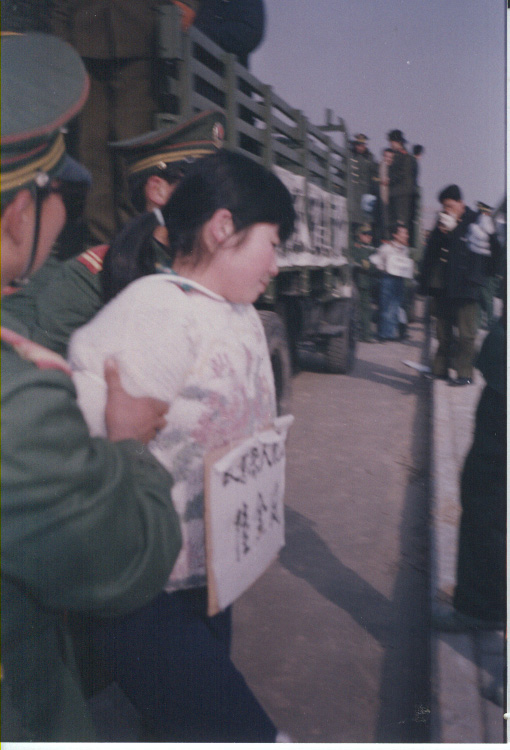
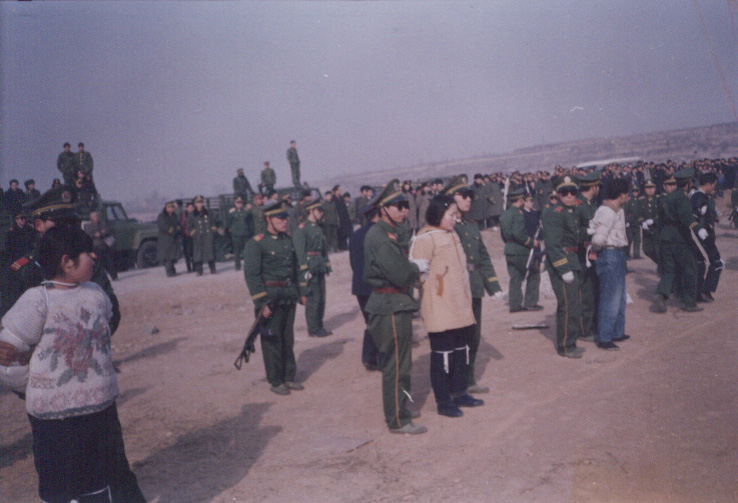
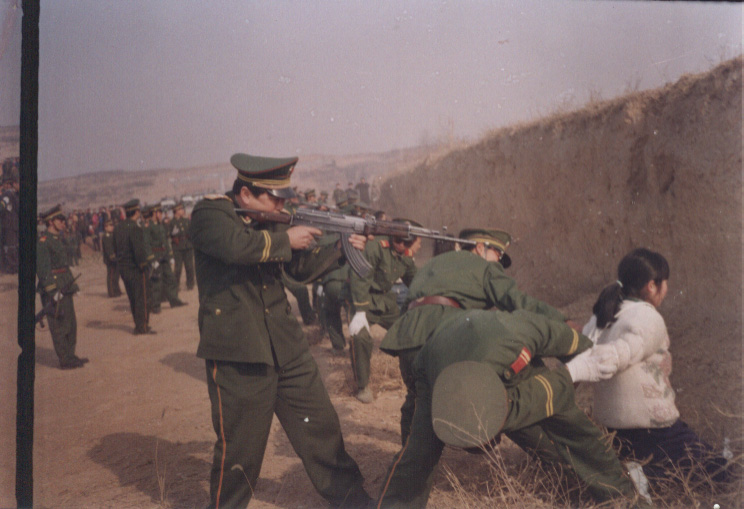
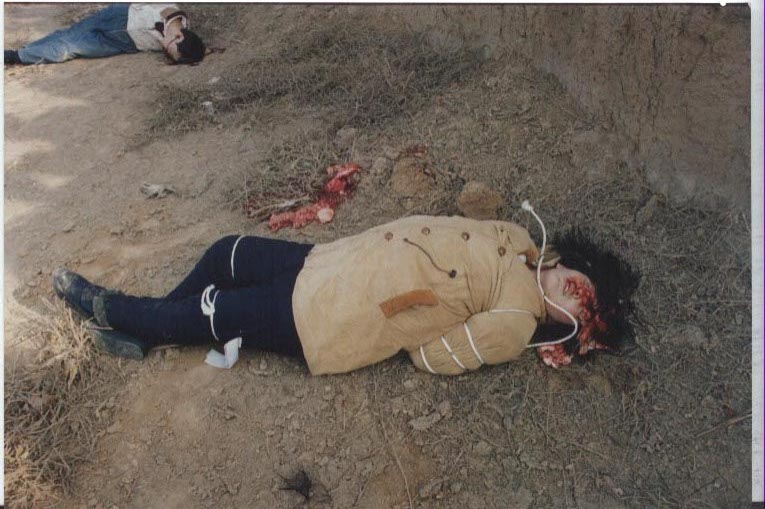
Death Sentence in China

death sentence by shot
accused get ready to be shot
bringing the accused to shoot
death sentence by gun
communism rule


Friday, November 17, 2006

Amazing Mystery History - Abraham Lincoln & John F. Kennedy

Abraham Lincoln was elected to Congress in 1846.
John F. Kennedy was elected to Congress in 1946.

Abraham Lincoln was elected President in 1860.
John F. Kennedy was elected President in 1960.

Both were particularly concerned with civil rights.
Both wives lost their children while living in the White House.

Both Presidents were shot on a Friday.
Both Presidents were shot in the head.

Now it gets really weird.

Lincoln 'S secretary was named Kennedy.
Kennedy's Secretary was named Lincoln.

Both were assassinated by Southerners.
Both were succeeded by Southerners named Johnson.

Andrew Johnson, who succeeded Lincoln, was born in 1808.
Lyndon Johnson, who succeeded Kennedy, was born in 1908.

John Wilkes Booth, who assassinated Lincoln, was born in 1839.
Lee Harvey Oswald, who assassinated Kennedy, was born in 1939.

Both assassins were known by their three names.
Both names are composed of fifteen letters.

Now hang on to your seat.

Lincoln was shot at the theater named 'Ford.'
Kennedy was shot in a car called ' Lincoln' made by 'Ford.'

Lincoln was shot in a theater and his assassin ran and hid in a warehouse.
Kennedy was shot from a warehouse and his assassin ran and hid in a theater.

Booth and Oswald were assassinated before their trials.
And here's the kicker...

A week before Lincoln was shot, he was in Monroe, Maryland
A week before Kennedy was shot, he was with Marilyn Monroe.

Get Gmail Invitation

Need gmail invitation? Get it here : ByteTest.com